Vanderbilt Assessment Results: Non-Medical ADHD Support Strategies
When you receive your child's Vanderbilt Assessment results, you may feel a mix of relief and confusion. Finally having a clear picture of their behavioral patterns is helpful, but knowing what to do next can be overwhelming. How can you help your child succeed without relying solely on clinical intervention? While many families consider various treatments, evidence-based non-medical interventions offer powerful ways to support a child’s development.
This comprehensive guide explores practical behavioral strategies, lifestyle modifications, and environmental adjustments. These methods complement your assessment findings and empower you to create a supportive environment. By understanding your child's specific profile through a Vanderbilt assessment, you can tailor these strategies to meet their unique needs at home and in the classroom.

Behavioral Strategies for ADHD Management
Behavioral strategies are often the first line of support recommended for children with ADHD. These techniques focus on changing the environment and the way adults interact with the child to encourage positive behaviors. When you use the results from a Vanderbilt ADHD assessment tool to identify specific areas of struggle—such as impulsivity or following directions—you can apply these behavioral strategies more effectively.
Positive Reinforcement Systems
Positive reinforcement is one of the most effective ways to improve behavior in children with ADHD. Instead of focusing on what the child is doing wrong, this system rewards them for what they are doing right. Children with ADHD often receive a lot of negative feedback throughout the day, which can hurt their self-esteem.
To implement this, catch your child being good. If they sit at the table for five minutes as requested, offer immediate praise. Use a "token economy" where children earn points or stickers for specific positive behaviors. These tokens can later be traded for a reward, like extra screen time or a special trip to the park. The key is to make the rewards frequent and the goals achievable.
Behavioral Contracts and Visual Schedules
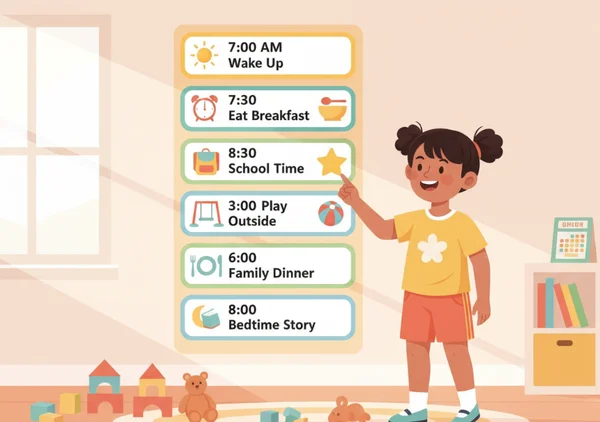
Children with ADHD often struggle with "executive function," which is the brain's ability to plan and organize. Visual schedules help bridge this gap. A visual schedule uses pictures or simple words to show the child exactly what happens next in their day. This reduces anxiety and helps them transition between activities like homework and bedtime.
A behavioral contract formalizes expectations between you and your child. Keep it simple: list 1–2 goals, achievable rewards, and fair consequences. Keep the language positive. For example, "If I finish my math homework before dinner, I get to pick the movie tonight." This gives the child a sense of agency and clear expectations.
Parent Training Techniques
Parent training isn’t about blame—it’s about building skills. These strategies help you support a child whose brain works differently. Many families find that adjusting their approach to daily interactions helps children feel more supported.
Effective parent training focuses on consistency. It teaches you how to give clear, one-step commands and how to use "time-outs" or "loss of privileges" effectively without becoming angry. When parents are calm and predictable, children with ADHD feel more secure. This consistency is vital for reinforcing the insights gained from a standard assessment.
Environmental Modifications at Home and School
The physical environment plays a massive role in how a child with ADHD functions. Small changes in how a room is organized or how a day is structured can reduce the "noise" that distracts an ADHD brain. By making these ADHD lifestyle changes, you help your child focus their energy on learning and growing.
Optimizing Learning Spaces
A child’s study area should be a "distraction-free zone." This means the desk should be clear of toys, electronics, and unnecessary clutter. However, "optimizing" doesn't always mean complete silence. Some children with ADHD actually focus better with low-level background noise, like a white noise machine or soft instrumental music.
Provide tools that help with physical energy. For example, a "fidget" toy or a weighted lap pad can help a child stay in their seat longer. Some children benefit from using a standing desk or sitting on an exercise ball while doing homework. These modifications allow the child to move their body in a controlled way while their mind stays focused on the task.

Structured Routines and Transitions
Predictability is a child's best friend. A structured routine means that waking up, eating, and playing happen at roughly the same time every day. This structure helps the child's internal clock stay regulated.
Transitions—moving from one activity to another—are often where children with ADHD struggle the most. To make this easier, use the "5-minute warning" technique. Tell your child, "In five minutes, we are turning off the game and starting homework." Use a timer so they can see the time ticking down. This prevents the "shock" of a sudden change, which often leads to meltdowns or resistance.
Sleep Hygiene and Nutrition
Physical health is the foundation of mental focus. Many children with ADHD struggle with sleep, which can make their symptoms much worse the next day. Good sleep hygiene includes a consistent bedtime, a cool and dark room, and no screens at least one hour before bed. The blue light from tablets and phones can trick the brain into staying awake.
There is no specific diet that cures ADHD. However, balanced meals with protein and complex carbohydrates prevent blood sugar crashes. This helps reduce irritability and poor focus. Reducing sugary snacks and artificial dyes has also been helpful for some families, though you should always consult a professional before making major dietary changes.
School-Based Interventions and Collaboration
Since children spend a huge portion of their day at school, it is essential that the classroom environment supports their needs. Effective child ADHD management requires a strong partnership between parents and teachers.
Leveraging Vanderbilt Results for School Accommodations
The results of a Vanderbilt Assessment are a powerful tool for advocacy. When you share these results with the school, you provide objective data about your child’s challenges. This data can be used to request a 504 Plan or an Individualized Education Program (IEP).
Common accommodations include "preferential seating," where the child sits near the teacher and away from distracting windows or doors. Other options include extended time on tests, breaking large assignments into smaller "chunks," and allowing the child to take short "brain breaks" to move around. Having a comprehensive assessment helps the school understand that these are necessary supports, not "special treatment."

ADHD-Friendly Teaching Strategies
Teachers can use specific techniques to help children with ADHD stay engaged. One effective strategy is "visual cues." Instead of calling out a child's name when they are off-task, a teacher might simply walk by and tap the child’s desk or use a hand signal. This keeps the child on track without embarrassing them in front of their peers.
Teachers can also provide "guided notes" or outlines of the lesson. This allows the child to focus on the concepts being taught rather than the mechanical stress of writing every word down. Frequent check-ins—asking the child to repeat the instructions back—ensure that the child hasn't missed important information due to a brief lapse in attention.
Building Home-School Partnerships
Success for a child with ADHD depends on consistency across all environments. If a strategy is being used at school, try to mirror it at home. For example, if the teacher uses a specific reward system, you can use a similar one for homework.
Open communication is key. Many parents and teachers find success using a "daily communication log." This can be a simple notebook or an app where the teacher provides a quick update on the child's behavior and work completion. This allows parents to provide immediate reinforcement at home and prevents surprises during parent-teacher conferences.
Creating Lasting Change for Your Child
Creating lasting change for your child takes consistent effort, but small daily steps can lead to meaningful progress. You do not need to change everything at once. Start with one or two strategies that align most closely with your child's Vanderbilt assessment profile. For example, if the assessment shows high scores in distractibility, focus first on optimizing their learning space.
Track your child's progress over time and adjust the strategies as they grow. Remember that these approaches work best when they are part of a larger plan. Your Vanderbilt Assessment results provide the essential foundation, but the path to success is a journey you take alongside healthcare providers, educators, and your child. By creating a world that fits your child’s brain, you give them the opportunity to show their true potential.
FAQ Section
How long does it typically take to see results from non-medical ADHD interventions?
Most families begin to see small, positive changes within two to four weeks of consistent implementation. However, behavioral changes are a marathon, not a sprint. It takes time for new routines to become habits for both the parent and the child. Consistency is the most important factor; if strategies are only used occasionally, results will take much longer to appear.
Can these strategies replace medication for ADHD?
For some children with mild symptoms, these strategies may be enough to manage daily challenges. However, for many others, non-medical interventions work best when combined with professional clinical care. These strategies are designed to support and enhance a child's functioning, regardless of whether they are taking medication. Always start the assessment and discuss the results with a qualified healthcare provider to determine the best path for your child.
How do I know which interventions are most appropriate for my child based on Vanderbilt results?
Your assessment report will highlight specific areas of concern, such as "Inattention," "Hyperactivity," or "Oppositional Behavior." If your child scores high in inattention, focus on visual schedules and environmental modifications. If they score high in hyperactivity, focus on physical outlets and positive reinforcement for sitting still. The AI-powered reports available on our platform can provide even deeper insights into which specific actions might be most effective for your child's unique profile.
What if I try these strategies and they don't seem to be working?
If strategies aren't working, first check for consistency. Are they being used every day? Are the rewards truly motivating for the child? If consistency is there but progress is stalled, it may be time to consult a specialist. Sometimes, co-occurring conditions like anxiety or learning disabilities can interfere with ADHD strategies. Using a standardized tool can help you track these nuances and provide better information to your doctor.