Vanderbilt Assessment Action Plans: Practical Next Steps for Parents
You have completed the Vanderbilt Assessment and received your results. Now what? For many parents, this crucial first step can feel overwhelming. You might be wondering what these scores actually mean. More importantly, you need to know what practical steps you can take to support your child at home.
How do I turn these numbers into a real plan for my child? This guide bridges the gap between assessment results and real-world action. We provide you with a clear roadmap to translate your findings into effective strategies. These plans can make an immediate difference in your child’s daily life and school performance.
Understanding your child’s unique needs is the foundation of any successful support system. If you haven't started yet, you can start the test to begin your journey toward clarity. This guide will show you how to move from a screening result to a helpful action plan.

Understanding Your Vanderbilt Assessment Results
The first step in any action plan is understanding the data you have collected. The Vanderbilt Assessment Scale is a powerful screening tool. It evaluates various behaviors, including inattention, hyperactivity, and emotional symptoms. The assessment also measures how these behaviors impact your child's performance in school and social settings.
Decoding Key Score Profiles and What They Indicate
When you receive your report, you will see scores across several domains. The primary areas are Inattention and Hyperactivity/Impulsivity. A high score in these areas suggests that your child may be struggling with core ADHD symptoms. However, the assessment also screens for "comorbidities" or related conditions. These include Oppositional Defiant Disorder (ODD), Conduct Disorder, and symptoms of Anxiety or Depression.
A "positive" screening in any of these areas does not serve as a medical diagnosis. Instead, it indicates a pattern of behavior that warrants further attention. For example, a high score in the "Performance" section tells you exactly where the behavior is causing the most trouble. Is it in reading, mathematics, or getting along with peers? Our online tool automates the scoring process, so you don't have to worry about manual calculations.
Differentiating Between ADHD Subtypes Based on Assessment Findings
The results help categorize your child’s behavior into one of three subtypes. The Inattentive type is often seen in children who are easily distracted or daydream frequently. They may struggle to follow instructions or organize their schoolwork. The Hyperactive-Impulsive type is seen in children who are constantly "on the go," talk excessively, or have trouble waiting their turn.
The most common is the Combined type, where a child shows significant symptoms of both inattention and hyperactivity. Understanding your child's subtype is vital for creating an effective action plan. An inattentive child needs help with organization and focus. Meanwhile, a hyperactive child needs outlets for physical energy and assistance with impulse control. By using a vanderbilt assessment, you can identify which subtype fits your child’s current behavior profile best.
Implementing Practical Home Strategies After Assessment
Once you understand the scores, you can begin making changes at home. You do not need to wait for a formal doctor’s appointment to start providing support. Practical home interventions can reduce stress for both the child and the parent almost immediately.
Creating Structured Routines and Environment Modifications
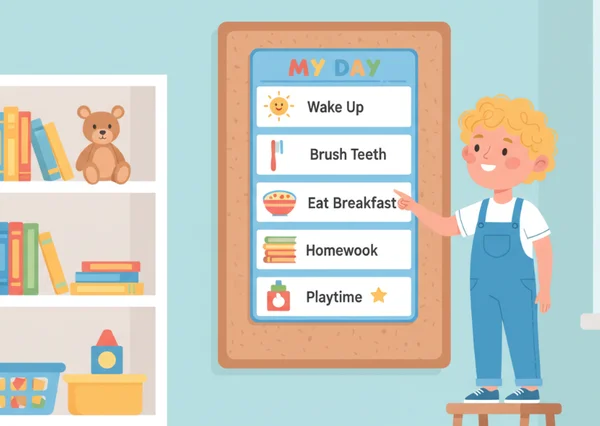
Children who struggle with attention thrive on predictability. A structured routine acts as an external brain, helping them navigate the day without getting lost in the details. Use visual schedules posted on the refrigerator or in their bedroom. These should break the morning and evening routines into small, manageable steps.
Environment modifications are equally important. Create a "launch pad" near the front door where your child always keeps their backpack and shoes. During homework time, minimize distractions by providing a quiet, cluttered-free workspace. Use a physical timer so the child can see how much time they have left for a task. These simple changes reduce the "cognitive load" on your child, making it easier for them to succeed.
Evidence-Based Behavioral Interventions for Daily Challenges
Behavioral interventions focus on encouraging positive actions through clear expectations and rewards. One effective strategy is "Positive Reinforcement." Instead of only noticing when your child is off-task, make a conscious effort to "catch them being good." When they sit still for five minutes or finish a chore, provide immediate, specific praise.
Another evidence-based technique is the use of "If-Then" statements. For example, "If you finish your math worksheet, then you can have 15 minutes of screen time." This creates a clear link between effort and reward. It is also helpful to break large chores into "micro-tasks." Instead of saying "clean your room," ask them to "put all the LEGOs in the bin." Clear, concise instructions are much easier for an ADHD brain to process and execute.
Building Your Child's Strengths and Confidence
It is easy to get caught up in the "problems" highlighted by an assessment. However, a successful action plan must also focus on what your child does well. Building confidence is just as important as managing symptoms.
Leveraging Vanderbilt Insights to Identify Your Child's Strengths
The Vanderbilt Assessment includes a performance section that highlights areas of competence. Perhaps your child struggles with reading but excels in social relationships. Or maybe they have difficulty with organization but show incredible creativity. Use these insights to shift your perspective.
When you get your report, look closely at the areas where the scores are low—meaning the child is performing well. These are the "green zones" where your child feels capable. Acknowledging these strengths helps balance the emotional weight of a screening. It reminds the child that they are more than a set of challenges.
Confidence-Building Activities That Complement Assessment Findings
Once you identify strengths, look for activities that allow your child to shine. If the assessment shows they are socially adept, they might enjoy team sports or drama club. If they are highly creative, art classes or building kits could be their outlet. These activities provide "success experiences" that are often lacking in a traditional classroom.
Confidence acts as a shield against the frustration that often comes with ADHD. When a child feels competent in one area of their life, they are more willing to tackle the areas where they struggle. Make sure your action plan includes at least one activity every week where your child is the "expert" or the "high achiever."
Collaborating with Professionals and School Support
You do not have to do this alone. The Vanderbilt Assessment is designed to be a bridge between home, school, and the doctor’s office. Collaborative care is the most effective way to support a child with behavioral challenges.
Effectively Sharing Vanderbilt Results with Healthcare Providers
Take your completed assessment report to your pediatrician or a child psychologist. Doctors appreciate having standardized data. It helps them differentiate between normal childhood behavior and symptoms that require medical intervention. If you chose the AI-powered personalized report from our screening tool, you will have even deeper insights to share.
When talking to a doctor, be specific about your concerns. Mention the scores that worried you the most. Ask the doctor, "Based on these Vanderbilt results, what further diagnostic steps do you recommend?" This turns a vague conversation into a focused medical consultation. The report serves as objective evidence of your child’s struggles across different environments.

Working with Schools to Implement Teacher Strategies
The school environment is often where ADHD symptoms are most visible. If you have completed a parent form, it is highly beneficial to have the teacher complete a teacher form as well. Comparing the two reports can show if the child's behavior is consistent across both settings.
Share the findings with the school’s support team. You can use these results to request a meeting for an IEP (Individualized Education Program) or a 504 plan. Suggest practical classroom accommodations based on the assessment. This might include "preferential seating" near the teacher, extra time on tests, or the use of a "fidget tool" to help with focus. A collaborative relationship with the teacher ensures your child receives consistent support all day long.
Tracking Progress and Adjusting Your Approach
An action plan is not a "set it and forget it" document. Children grow, and their needs change. Continuous monitoring is the only way to ensure your strategies remain effective over time.
Simple Methods for Monitoring Behavioral Changes at Home
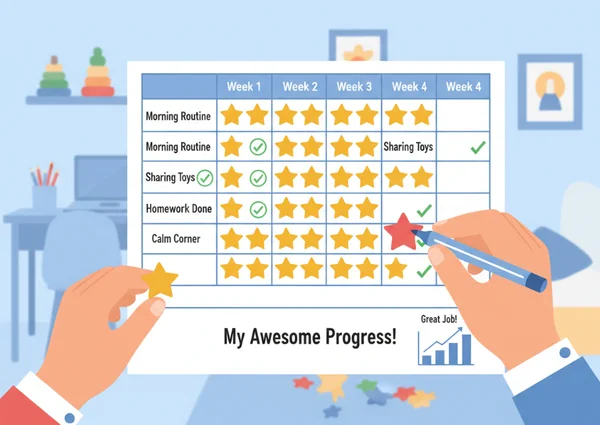
You don't need a complex system to track progress. A simple behavior log or a weekly checklist can work wonders. Note down the frequency of specific behaviors, such as "outbursts during homework" or "forgetting school books." Over a few weeks, you will see patterns.
Are the "If-Then" rewards still working? Is the morning routine getting smoother? By tracking these small wins and losses, you can see if your home interventions are working. This data is also incredibly helpful for your follow-up appointments with healthcare professionals. It shows them exactly how the child is responding to the current plan.
Knowing When to Consider Reassessment and Intervention Adjustments
Most experts recommend a reassessment every six months, or whenever there is a major change in the child's life. This could be a new school year, a change in medication, or a move to a new home. Re-taking the assessment allows you to see if the scores are improving.
If you have implemented strategies for several months and see no improvement, it may be time to adjust your approach. You might need more intensive behavioral therapy or a consultation regarding medication. You can always use the assessment again to get a fresh baseline. Seeing a "lower" score on a follow-up assessment is a powerful motivator for both you and your child.
Moving Forward with Confidence
Your Vanderbilt Assessment results provide a valuable starting point for supporting your child's unique needs. By implementing these practical strategies at home, collaborating with professionals, and tracking your child's progress, you're creating a comprehensive support system. This system can make a meaningful difference in your child’s happiness and academic success.
Every child's ADHD journey is unique, with both challenges and discoveries along the way. Your action plan will evolve as you learn what works best for your child. Progress may seem slow at first, but small, consistent strategies—supported by assessment data—gradually build lasting improvements in your child's behavior and well-being. Your next step? Begin with one or two strategies that resonate most with your family's situation and build from there. If you are ready to take that first step and gain clear insights into your child's behavior, start your assessment today.
FAQ Section
What do the different score ranges on the Vanderbilt Assessment mean?
The scores on the Vanderbilt Assessment are calculated based on the frequency of behaviors. A "0" means the behavior never occurs, while a "3" means it occurs very often. For a screening to be considered "positive" in the ADHD categories, a child usually needs to score a 2 or 3 on a specific number of items. Our online Vanderbilt assessment automatically identifies these patterns for you, providing a clear summary of which thresholds have been met.
How often should I reassess my child's progress after implementing action strategies?
It is generally recommended to reassess every 6 months. This timeframe is long enough to see if behavioral interventions or medications are making a statistical difference. However, if you notice a sudden decline in school performance or a major behavioral shift, you can use the adhd screening tool sooner to provide your doctor with updated data.
Can I use the Vanderbilt Assessment results to create an IEP or 504 plan?
Yes, the Vanderbilt Assessment is a respected tool that schools often recognize. While the school may conduct its own evaluation, your results provide essential "parental input" and "historical data." Sharing these results helps the school understand that the child’s struggles are persistent and require formal accommodations. You can review the performance scores to specifically highlight academic needs.
What should I do if I've implemented strategies for several weeks but don't see improvement?
If home routines and behavioral interventions aren't helping, it is time to consult a specialist. ADHD often co-occurs with other conditions like learning disabilities or anxiety, which may require different types of support. Bring your assessment results to a developmental pediatrician or a child psychologist to explore a more comprehensive diagnostic workup.
How do I balance using Vanderbilt Assessment results with my child's input?
As children get older, especially in the 10-12 age range, their perspective is vital. Talk to them about the results in an age-appropriate way. Ask them, "The test says you feel frustrated with homework. What part is the hardest for you?" Combining the objective data from the Vanderbilt Assessment with your child's lived experience makes for a much stronger and more cooperative action plan.