ADHD Signs in Kids: Is a Vanderbilt Assessment the Answer for Your Child?
As a parent, you navigate a daily whirlwind of your child’s energy, emotions, and ever-evolving behaviors. It's a journey filled with joy, questions, and sometimes, a little bit of worry. You might find yourself wondering if your child's constant fidgeting, daydreaming, or difficulty following instructions is just a normal part of growing up. For many parents, the pressing question is, is my child adhd? This guide is here to provide clarity, helping you understand the difference between typical childhood actions and potential signs of ADHD in children aged 6-12.
Understanding your child's unique needs is the first step toward empowering them. If you're seeking a clear, structured way to evaluate your observations, an online assessment can be an invaluable starting point. You can take the first step to gain initial insights.

Understanding Normal Child Development vs. Early ADHD Signs
Every child is unique, developing at their own pace. A six-year-old’s attention span is naturally shorter than a twelve-year-old’s. However, when certain behaviors are persistent, occur across different settings, and begin to impact a child's academic and social life, it's worth taking a closer look. The key is to distinguish between what’s age-appropriate and what might be a consistent pattern of challenge.
What Are Typical Childhood Behaviors and How They Evolve?
It's completely normal for children to be energetic, forgetful, and impulsive at times. A child might get excited and interrupt a conversation, forget to bring a homework folder home, or have trouble sitting still during a long car ride. These isolated incidents are part of the learning curve of childhood. As children mature, their ability to self-regulate, focus for longer periods, and think before acting generally improves. This gradual development is a hallmark of typical growth.
When Do Behaviors Cross the Line into a Potential Concern?
The line is crossed when these behaviors are not just occasional but are the norm. The difference lies in frequency, intensity, and impact. A child who sometimes forgets their lunch money is different from a child who consistently loses belongings, cannot complete homework without constant redirection, and struggles to maintain friendships due to impulsivity. If these challenges are causing significant stress at home and school, it may signal an underlying issue that goes beyond typical development.
Key Signs of Inattention in Children (Aged 6-12)
Inattention is more than just daydreaming. It’s a persistent difficulty in sustaining focus and staying organized, which can significantly hinder a child's ability to learn and complete daily routines. These signs are often less disruptive than hyperactivity, so they can sometimes be overlooked.

Difficulty Sustaining Focus and Completing Tasks
Does your child start homework with enthusiasm but quickly get sidetracked? Do they struggle to finish chores, projects, or even games that require prolonged mental effort? A core sign of inattention is an inability to stick with a task from start to finish. They may seem to listen when spoken to directly, but their mind often appears to be elsewhere, missing key details and instructions.
Frequent Forgetfulness and Disorganization
A child with inattentive challenges may constantly misplace their jacket, schoolbooks, or toys. Their desk at school or bedroom at home might be in a perpetual state of disarray. This isn't about laziness; it reflects a genuine struggle with executive functions—the mental skills needed to organize and manage tasks. They may forget daily appointments, chores, or promises, which can be frustrating for both the child and the parent.
Easily Distracted by Irrelevant Stimuli
The world is a fascinating place, but for a child with attention difficulties, even minor sights and sounds can derail their focus. A bird outside the window, a conversation in the next room, or even their own thoughts can be enough to pull them away from the task at hand. This happens both at home during homework time and in the classroom, making it difficult to absorb information from the teacher.
Identifying Hyperactive and Impulsive Behaviors
When people think of ADHD, they often picture the "hyperactive" child who is always on the go. While this is a prominent aspect for many, it’s important to understand the specific behaviors associated with hyperactivity and impulsivity. These actions are not driven by a desire to be defiant but by an inner restlessness they find difficult to control.

Excessive Restlessness and Fidgeting
Hyperactivity often manifests as a constant need for movement. This can look like squirming in their seat, tapping their feet or hands, or getting up and running around when they are expected to be seated. They might be described as being "driven by a motor," unable to engage in quiet activities or sit through a meal without moving.
Impatience and Difficulty Waiting Turns
Impulsivity can make waiting feel almost impossible. A child struggling with this may blurt out answers in class before being called on, have trouble waiting their turn in line or in games, and feel an overwhelming sense of impatience in situations that require patience. They act on their first impulse without considering the consequences.
Interrupting Others and Intruding on Activities
This difficulty with impulse control also affects social interactions. A child might frequently interrupt conversations, finish other people's sentences, or intrude on others' games without being invited. They aren't trying to be rude; their brain is simply moving faster than social etiquette allows, causing them to act before they think.
Observing Patterns: The 'When, Where, and How Often' Matters
Observing a few of these signs in isolation isn't necessarily a cause for alarm. The crucial step is to look for consistent patterns. A professional evaluation, often starting with a standardized tool, considers how these behaviors manifest over time and in different environments.
Impact Across Multiple Settings (Home, School, Social)
For a behavior to be considered a potential sign of ADHD, it must be present in more than one setting. For instance, are the challenges with focus happening both during homework at home and during lessons at school? Do impulsive interruptions occur with family members as well as with friends on the playground? When the pattern is consistent, it’s less likely to be caused by a specific environmental factor.
Duration, Intensity, and the Child's Development Stage
It's also important to consider how long these behaviors have been present (typically for at least six months) and whether they are appropriate for your child's developmental age. A high level of energy is expected in a seven-year-old, but if it significantly exceeds that of their peers and disrupts their functioning, it warrants closer attention.
When to Consider a Vanderbilt ADHD Assessment for Your Child
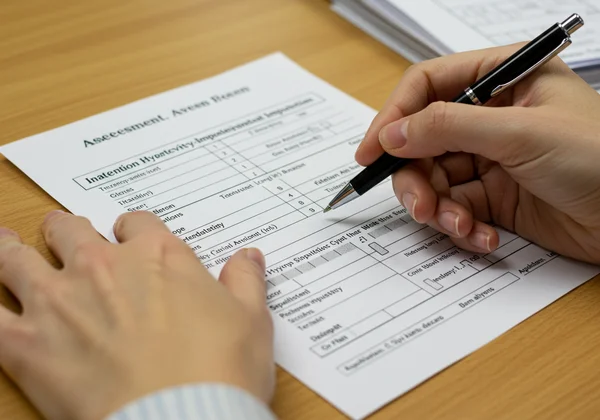
If you've been observing these patterns and feel that your child's behavior is consistently impacting their well-being, a structured screening tool can be an excellent next step. The Vanderbilt Assessment Scale, developed by the National Institute for Children's Health Quality (NICHQ), is a trusted tool used by pediatricians and parents alike. It provides a standardized way to document your child's behaviors, offering a solid foundation for a conversation with a healthcare professional. You can access a reliable online Vanderbilt assessment to begin this process.
Taking the First Step: Seeking Clarity for Your Child's Future
Recognizing these signs is not about labeling your child; it's about understanding them. Every child deserves the chance to thrive, and identifying their unique challenges is the first step toward providing the right support. Observing these behaviors can be stressful, but you are not alone. Taking proactive steps to gain clarity is an act of love and advocacy for your child.
An organized report from a trusted screening tool can transform your concerns into a productive conversation with a doctor or school counselor. It provides concrete data to guide the path forward. Ready to get a clear picture?
Your Questions About Child Behavior and ADHD Screening Answered
What is the Vanderbilt Assessment, and how does it help?
The Vanderbilt Assessment is a highly respected screening tool for ADHD. It consists of a series of questions for parents and teachers to answer about a child's behavior. It helps by systematically gathering information on symptoms of inattention, hyperactivity, and impulsivity, as well as screening for other conditions like anxiety, depression, and conduct disorders. It organizes your observations into a standardized format that professionals can easily interpret.
Is the Vanderbilt ADHD assessment accurate for screening children?
Yes, the NICHQ Vanderbilt Assessment Scale is considered a reliable and valid screening tool for children aged 6-12. It is widely recommended by the American Academy of Pediatrics (AAP) for initial ADHD evaluations. While it is not a final diagnosis, it provides an accurate and comprehensive picture of a child’s challenges, making it an excellent starting point for a professional consultation.
What conditions does the Vanderbilt Assessment screen for besides ADHD?
One of the great strengths of the Vanderbilt Assessment is its comprehensive nature. In addition to the core symptoms of ADHD, it includes screening questions for common co-occurring conditions. These include Oppositional-Defiant Disorder (ODD), Conduct Disorder (CD), and Anxiety/Depression. This broad scope helps ensure that a fuller picture of a child’s mental health is considered.
Can the Vanderbilt Assessment be used for adults?
The Vanderbilt Assessment Scale was specifically designed and validated for school-aged children (6 to 12 years old). It is not intended or validated for use in screening adults for ADHD. Adults seeking an evaluation should consult with a healthcare provider who can recommend assessment tools appropriate for their age group.
What does a high score on the Vanderbilt assessment mean for my child?
A high score indicates that your child is exhibiting a significant number of behaviors associated with ADHD or other conditions. It is important to remember that this is a screening result, not a diagnosis. A high score is a strong signal that you should schedule an appointment with your child's pediatrician or a mental health professional to discuss the results and determine the next steps for a full evaluation. You can start the assessment today to get the insights you need for that conversation.